.png)
Adolescence and Independence: Electrified

There’s a concept we come back to often in therapy: focus on what you can control. It sounds simple—until you’re raising a teenager in a world moving faster than you ever expected, where independence suddenly comes with handlebars and a throttle.
For adolescents, everything is changing at once: their bodies, their minds, their social circles, and their hunger for independence—and, apparently, very expensive bikes (courtesy of YouTuber Sur Ronster).
Now add electric bikes to the mix—the street-legal ones and the far more tempting, not-quite-street-legal models like Sur-Rons and Talarias, now woven into adolescent risk-taking and brain development.
Driving through North County San Diego, you’re sharing the road with everyone, including teens on electric bikes making split-second decisions that have me shaking my fist, shaking my head, and muttering prayers at red lights.
Some ride responsibly. Others are testing fate, traffic, and physics all at once. Either way, the world is opening up at dizzying speeds—especially if, like mine, your kid has discovered YouTube videos about modifications.
Electric bikes aren’t just a modern working parent’s lifesaver that gets kids where they need to go—they’re also a perfect metaphor for adolescence itself.
Suddenly, familiar streets, cul-de-sacs, and the local park aren’t enough. Teens are exploring new neighborhoods, testing speed, balance, and limits—often egged on by friends daring them to go faster, pull tricks, or ride bikes that aren’t exactly street-legal. Every ride challenges coordination, decision-making, and problem-solving—skills their brains are wiring in real time.
Neuroscience suggests that navigating experiences involving novelty, uncertainty, manageable fear, and social influence helps adolescents develop judgment, resilience, and confidence. These moments—when teens take calculated risks, navigate consequences, and learn from experience—are how the adolescent brain develops.
Watching this as a parent is… intense. Your heart races, your stomach tightens, and part of you wants to shout, Stop! That’s too dangerous! Yet another part can’t help but marvel at their courage. At least, that’s been my experience watching my son spend two straight days working on popping a wheelie—focused, determined, falling, trying again—until he finally mastered it.
At that point, he became his own little circus, and I became equal parts proud and terrified.
These rides are microcosms of adolescent life: negotiating peer pressure, testing boundaries, and learning how far they can safely push themselves. Their nervous systems are practicing regulation, and their brains are forming new connections every time they take a risk—and live to tell the story.
It’s also funny—and surprisingly heartwarming—how much teens want to be in the know. They crave the latest gadgets, modifications, and tricks to impress friends or simply feel competent in their world. But the real lessons are rarely in the bravado—they’re in the experience itself.
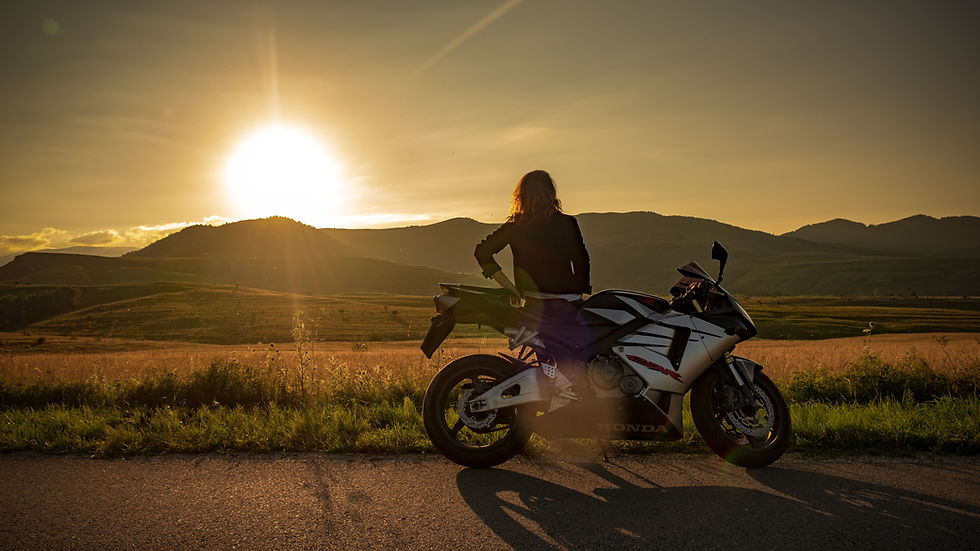
As a mother, this is a delicate balance. You want them informed, streetwise, and confident—but also grounded in reality. It’s hard to lecture on safety when you ride a motorcycle yourself, but that honesty can open a doorway to connection. They see courage modeled, limits respected, and joy in calculated risk—not reckless abandon.
And yet, the fears are real.
There have been serious injuries and deaths involving electric bikes and high-powered e-bikes. The technology has advanced faster than the laws, safety education, infrastructure, and guardrails surrounding it. At times, it feels like we are flying the plane while still building it. Parents, communities, schools, law enforcement, and kids themselves are all trying to adapt in real time to something that barely existed a few years ago.
The visibility of reckless riders has also created a stereotype that every teen on an e-bike is looking for trouble. While unsafe behavior absolutely exists and accountability matters, many adolescents are simply searching for the same things generations before them sought: freedom, identity, belonging, excitement, and a little distance from home.
Unfortunately, the actions of a visible few can color perceptions of an entire group, leaving responsible teens viewed with suspicion simply because they're riding on two wheels.
Adolescence has always been messy, exhilarating, and occasionally terrifying. Today's electric bikes—whether street-legal or pushing the limits of what's allowed—have simply become a modern symbol of an age-old developmental task: learning how to balance independence with responsibility, courage with caution, and freedom with consequence.
As parents and therapists, our role isn't to eliminate every risk. It's to stay connected enough that our kids will still hear our voice in their heads when the moment to make a decision arrives. We hold boundaries, teach responsibility, talk honestly about consequences, and hope that our relationship becomes part of the safety equipment they carry with them.
So yes, dear friend, watch the wheelie while your heart briefly leaves your body. Celebrate their growing confidence, remind them to wear the helmet, and keep showing up for the conversations that matter. The developmental assignment of adolescence has always involved letting go a little at a time. It just happens to come with a throttle now- which, according to our kids, is apparently,"low- key fire."
The Good-Enough Electric Bike Mom,
Mandy


Comments